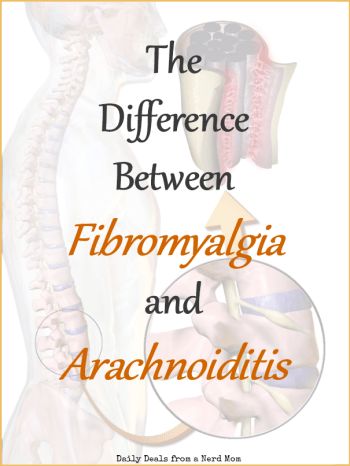
Chronic pain syndromes are rare conditions. An important aspect surrounding these issues is determining the origin of the pain. This way, the symptoms and cause of the conditions can be managed effectively enough. Chronic pain affects people’s normal daily activities, work duties, and can have a profound negative impact on one’s emotional status.
Two important causes of chronic pain are fibromyalgia and arachnoiditis. They are two distinctly different conditions. Their mechanisms of onset and causes differ. Although the symptoms experienced by patients mimic each other, especially the chronic pain they cause.
Fibromyalgia
Fibromyalgia is a condition that results in chronic pain in the muscles and joints of the body. It is characterized by symmetrical involvement of anatomical areas. These areas involve both sides. They are also above and below the midline of the body.
Symptoms and signs of fibromyalgia include:
· Chronic fatigue
· The mentioned chronic pain in the muscles or muscle groups and joints.
· Muscle and/or joint stiffness.
· Difficulty with concentrating.
· Migraine headaches.
· Depressed mood as an effect of chronic pain.
There is no cure for fibromyalgia. The management of the condition focuses on controlling the symptoms experienced by the affected individual. This can be achieved through pain medications. Intramuscular or trigger point injections are another choice. Even regenerative medicine in the form of stem cell therapy can help. The latter works by stem cells either converting into muscle cells. These new muscle cells take the place of damaged cells due to inflammation. Or it works by stimulating the release of anti-inflammatory factors in the bloodstream. This helps reduce inflammation associated with the condition.
Arachnoiditis
Arachnoiditis is less common than fibromyalgia. It is a condition associated with inflammation of the arachnoid membrane. This membrane is one of the tissues that cover the brain, spinal cord, and nerves of the central nervous system. This condition can become extremely debilitating to affected patients. It can even cause severe disability. When the inflammation around the affected area of the membrane results in scar tissue forming, it leads to adhesions developing. These adhesions cause the nerves to stick together (adhesive arachnoiditis). This can further become complicated where the adhesions become hard and calcify causing a condition known as arachnoiditis ossificans.
Symptoms and signs of arachnoiditis include:
· Stinging or burning nerve pain in the areas below the level of the pathology in the spine.
· A tingling or numb sensation involving the legs.
· Muscle cramps.
· Autonomic nerve dysfunction which can lead to bladder and/or bowel incontinence and sexual dysfunction.
Arachnoiditis can be caused by trauma to or infections of the arachnoid membrane. But one of the most associated situations includes inflammation. This inflammation is caused by accidentally injecting steroid medications or local anesthetic agents. The injection goes into the space between the arachnoid membrane and dura mater when performing epidural injections.
Just like fibromyalgia, there is no cure for arachnoiditis. The symptoms caused by the condition can be managed with pain medications and nerve blocking injections. One should avoid any further administration of epidural injections. Physical therapy can also help manage the symptoms.
Psychotherapy is important for these patients. The pain can cause severe emotional disturbances. This can lead to severe depression. The therapy will help patients to try feedback therapy. They will learn to control the pain. It will also aid in keeping their emotions in check. Relaxation techniques and therapies will also help to try and reduce as much anxiety and stress as possible. Anxiety and stress can feed pain and cause it to worsen.
Soma is a pill called a muscle relaxant. The main effect of these pills is to block nerve impulses that are sent to the brain. More information at https://thefitnessequation.com/tfestore/soma-carisoprodol/. So, these tablets are used primarily in the treatment of muscle damage or wounds.
Platelet-rich plasma therapy (PRP) involves drawing the patient’s own blood, centrifuging it, and extracting and preparing the platelet-rich plasma. This therapy has been administered to patients in a study. The study examined whether this therapy serves as another choice for epidural steroid administration. It focused on managing pain in patients with herniated intervertebral discs. The use of PRP therapy is being considered for managing arachnoiditis. But further research needs to be conducted on this possibility.
 Daily Deals from a Nerd Mom
Leave a Reply