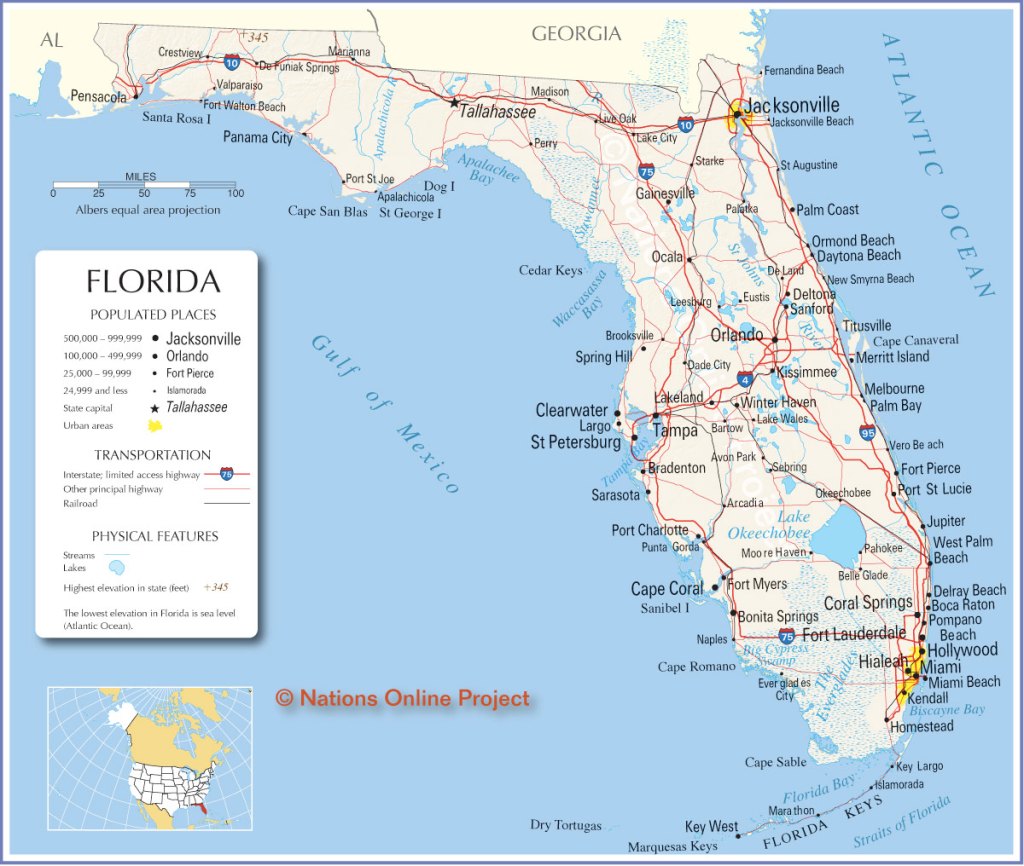
If you’re considering homeschooling in Florida, you’re in the right place! Here’s what you need to know to get started and stay compliant with state laws.
Legal Information & Resources
In Florida, homeschooling is legally known as “Home Education,” and families have several options to meet the state’s educational requirements. Here are key resources:
- FLDOE (Florida Department of Education) – Home Education Program – This is the official state site for home education, providing important forms, guidelines, and contact information for your local school district.
- Florida Homeschool Laws – HSLDA (Home School Legal Defense Association) – A helpful overview of Florida homeschooling laws, including the three legal options available: home education, private school enrollment (umbrella schools), or a private tutor.
- Florida Parent-Educators Association (FPEA) – The FPEA supports homeschooling families through advocacy, regional groups, a statewide annual convention, conferences, events, and resources—all grounded in Judeo-Christian values.
Basic Homeschooling Requirements in Florida
If you choose the Home Education Program (not an umbrella/private school):
- Submit a Notice of Intent to your local school superintendent within 30 days of starting.
- Maintain a portfolio of records, samples of work, and a reading list.
- Have an annual evaluation performed by a certified teacher, standardized test, or other approved methods.
- Submit a Letter of Termination if you end your home education program.
Florida is known for being relatively homeschool-friendly, but it’s important to stay organized!
Understanding Umbrella Schools
Umbrella schools (sometimes called cover schools) offer an alternative way to legally homeschool under the private school option. If you register with an umbrella school:
- You do not need to file a Notice of Intent or submit an annual evaluation to the district.
- You meet the private school reporting requirements instead (often attendance and immunization records).
- Curriculum and teaching methods are usually parent-directed unless otherwise specified by the school.
- Umbrella schools may be religious or secular and can vary widely in services—from simple recordkeeping to full programs with classes, sports, testing, and events.
Note: Some umbrella schools require families to meet a minimum number of school days (typically 180 days), while others are more flexible.
Featured Umbrella School: Hillcrest Private Academy
Hillcrest Private Academy is a private school registered with the Florida Department of Education under Santa Rosa County. Although physically located there, they offer FREE umbrella coverage to homeschoolers statewide.
- Grades: K–12
- Cost:
- One-Time Registration Fee: A $25 non-refundable fee per family is due at registration. This covers your enrollment for as long as tuition remains current, with no need to re-enroll each year. All fees and tuition are non-refundable.
- Monthly or Yearly Costs:
- $10 per month or $110 per year for one student
- $15 per month or $160 per year for two students
- $20 per month or $200 per year for three students
- $25 per month or $225 per year for four students
- $35 per month or $250 per year for five-ten students
- $500 per year for qualified groups of 1-25 students (+$100 per year registration fee)
- Need a little help with tuition? Hillcrest offers a sponsorship program for qualifying families. Check out the application process to see if you’re eligible!
Hillcrest provides the legal coverage required without mandating curriculum, standardized testing, or portfolios unless you want to include them.
(Our family was registered through Hillcrest and has found the process easy and supportive!)
Finding More Umbrella Schools
For a comprehensive list of umbrella schools serving Florida homeschoolers, visit: Florida Umbrella Schools Directory
You’ll find options ranging from no-frills administrative coverage to robust educational communities.
Additional Tips for New Homeschoolers in Florida
- Join a local homeschool support group or co-op. Many families find it helpful to connect with others for field trips, park days, group classes, and encouragement.
- Keep copies of important paperwork. Always keep backups of your Notice of Intent, evaluation reports, and immunization records (if applicable).
- Explore curriculum options. Florida homeschoolers can use any curriculum they choose, whether secular or faith-based.
- Stay informed. Laws can change, so it’s good practice to periodically check updates through FPEA, HSLDA, or your umbrella school.
- Take advantage of Florida Virtual School (FLVS). Homeschool students can enroll part-time for free in online classes through FLVS Flex.
Homeschooling in Florida offers incredible flexibility and freedom to tailor education to your child’s needs. Whether you choose to homeschool independently or through an umbrella school, you have plenty of resources and support available.
Welcome to the journey—you’ve got this!
Have questions about starting your Florida homeschool journey? Drop them in the comments!
More Homeschooling Tips:
- A Comprehensive Guide for Getting Started in Homeschooling
- Organizing Your Homeschool Space: Products and Tips
- How to Create an Effective Homeschool Schedule
- How to Create a Study-Friendly Space at Home
- Online Homeschool: Deciding If It’s Right For Your Family
- FREE Homeschooling Resources Lists
- Giant List of FREE Homeschool Planners
- Free Science Resources for Homeschoolers
- Free Homeschooling Resources for Parents
- Tips and Tricks for Parents who are New to Homeschooling
- How To Measure Your Child’s Progress When Homeschooling
- Physical Education Ideas For Homeschool
Disclaimer: This post is for informational purposes only and is not intended as legal advice. Homeschooling laws and regulations may change. Please consult the Florida Department of Education, your local school district, or a qualified legal professional for the most current information and personalized guidance.
 Daily Deals from a Nerd Mom
Leave a Reply