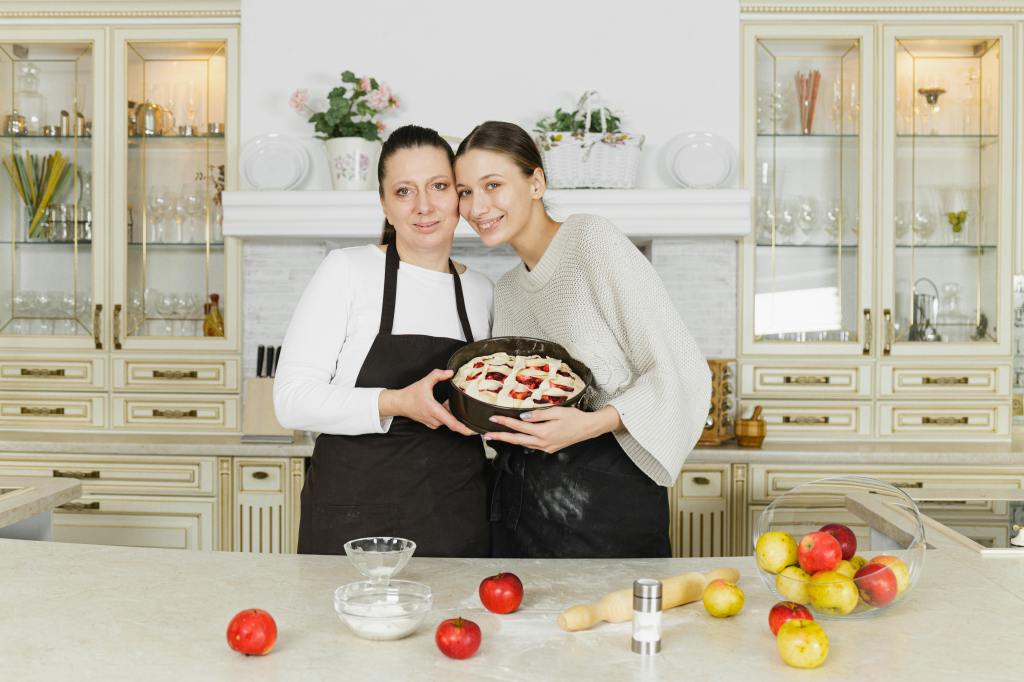
A kitchen that works for everyone is not a myth. It just requires intention.
Multigenerational households are no longer rare—grandparents, parents, kids, even adult siblings all under one roof. And while the rest of the house may adapt over time, the kitchen? That space must be designed with specific ideas in mind. Not just remodeled. Designed with multigenerational living in mind.
Start with Access, Not Aesthetics
Before you think about finishes or styles, ask: Who will be using this kitchen and how?
Your eighty-year-old mother doesn’t want to climb a stool to reach her tea. Your teenage son doesn’t want to wait while someone else uses the microwave. And your toddler? He’ll find the one sharp thing you forgot to put away.
So, think of universal design. But smarter. Wider walkways—not just for wheelchairs, but because two people cooking shouldn’t feel like they’re playing bumper cars. Lower prep stations, but not just lower—dual-height islands, if you can manage it. One side is for seated tasks, and the other is for standard tasks.
Zones Are Your Friend
Forget the traditional triangle. Instead, think in zones:
- Grab-and-Go: a drawer fridge for drinks and snacks at kid height
- Hot Zone: stove, oven, microwave—all clustered but spread enough for safety
- Wash Zone: sink, dishwasher, trash—all within arm’s reach
- Prep Zone: preferably with daylight, because no one should dice onions in a shadow
Separate these areas just enough that multiple people can work at once. This is about removing friction. Your mother prepping soup doesn’t need to compete with your daughter baking cookies.
Storage That Thinks Ahead
Here’s where many kitchens fail. They try to cram everyone’s needs into cookie-cutter cabinetry. Don’t.
Opt for storage that adapts. Pull-out shelves. Deep drawers. Lazy Susans with brakes. And most importantly: custom cabinets. Yes, it’s an investment—but it’s the difference between a kitchen that works and one that makes everyone resentful at 5:30 p.m.
You want cabinets that hide clutter, sure. But also ones that let people access what they use most. Grandma’s rice cooker. Dad’s coffee grinder. The gluten-free flours. Customization isn’t luxury—it’s necessity in a shared kitchen.
Seating: Together, But Not Trapped
You need seating that supports connection, but also movement. A long table isn’t enough. Consider a banquette with storage underneath. Or better—modular stools that slide away easily.
The goal is subtle choreography. One person eating, one packing lunches, another reading the news—all without stepping on each other.
Technology, Without Overkill
No one’s impressed by a fridge with a screen that plays music. But soft-close drawers that don’t slam when your toddler flings them open? A lifesaver.
Induction cooktops that cool instantly. Motion-sensor lights for late-night snackers. Outlets where people actually charge devices. These matter. Tech in a multigenerational kitchen should be invisible, intuitive, and quietly powerful.
Final Thought: Design for Change
People age. Kids grow. Needs shift. So make choices that allow for reconfiguration. A mobile island. Adjustable shelving. A pantry that’s not just tall, but deep enough for bulk storage and labeled containers your mother can read without squinting.
A kitchen designed for multigenerational living isn’t just about today. It’s about easing the little frictions that, over time, become the difference between harmony and chaos. Design for dignity. For flexibility. And yes—for joy.


 Daily Deals from a Nerd Mom
Leave a Reply