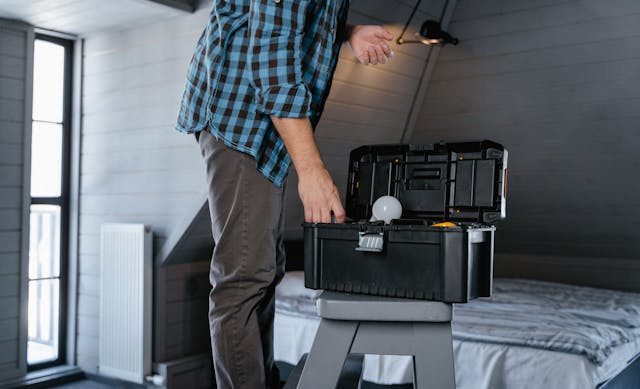
We tend to think of home safety as smoke alarms, locks on the doors, and maybe a security system. But the truth? It’s often the tiny, overlooked fixes that make the biggest difference in keeping your family safe. The stuff you don’t notice until it’s too late, the wobbly handrail, the loose step, the outlet that sparks just a little too often. These details don’t always scream danger, but they can be the reason behind those sudden headaches, sometimes literal ones.
Let’s take a closer look at the less obvious safety fixes that can quietly protect your family from both accidents and unnecessary stress.
The Small Things that Cause Big Accidents Around the House
Most accidents at home don’t come from dramatic situations. They start with the everyday details we ignore. A throw rug without a grip pad can send someone tumbling. A cluttered stairwell becomes a tripping hazard when the lights are dim. Even cords strung across walkways turn into traps waiting to happen.
The key here isn’t paranoia, it’s awareness. Take twenty minutes and walk through your home like you’ve never lived there before. You’ll start spotting those silent troublemakers that blend into the background because you’re so used to them. Fixing them now costs almost nothing compared to medical bills later.
Child and Pet Safety Zones: Parents Often Forget
Parents are usually great at baby-proofing, cabinets locked, outlets covered, and sharp corners cushioned. But some hazards fly under the radar. Stairwells with wide gaps between rails, basement access points, or even open window wells in the yard can pose dangers to both kids and pets.
This is where specialized fixes make a huge difference. For example, custom window well covers not only keep kids and pets from falling into exposed wells but also block out debris and weather damage. It’s one of those investments that solves multiple problems at once: safety, maintenance, and peace of mind.
Don’t forget about garage storage either. Heavy items stacked high, chemicals within reach, or even sharp garden tools left unsecured can all create unnecessary risks. Creating defined child- and pet-safe zones is about more than gates; it’s about rethinking how everyday spaces are organized.
How to Make Safety Upgrades Without Overspending
It’s easy to assume that making your home safer requires big renovation budgets. Not true. Most safety improvements are less about spending and more about smart adjustments.
- Swap out old light bulbs for brighter, energy-efficient ones in stairwells and hallways.
- Add inexpensive motion-sensor lights outside to reduce nighttime tripping hazards.
- Install no-slip mats in the bathroom and kitchen, two of the most common places for falls.
- Use door stoppers to prevent slammed fingers (cheap and effective).
- Mount smoke and carbon monoxide detectors in overlooked spots like basements and laundry rooms.
When you do want to make larger upgrades, like securing basement wells, reinforcing old railings, or upgrading locks, start small. Focus on the high-risk zones first, then tackle the nice-to-have improvements later.
The Bottom Line
Home safety isn’t about creating a fortress; it’s about protecting your family from the accidents you never see coming. By paying attention to the quiet risks, you end up saving yourself from big emergencies, repair costs, and those moments of “I wish I had fixed that sooner.”
Safety doesn’t always make the headlines in home projects, but it’s the upgrade that matters most when life gets unpredictable.


 Daily Deals from a Nerd Mom
Leave a Reply