
When my husband was diagnosed with LADA, Latent Autoimmune Diabetes in Adults, sometimes called type 1.5, I thought I understood what we were signing up for. I did not. Not even close.
LADA is its own strange middle ground. It behaves like type 1 in that his body straight up stopped making insulin, but it showed up slower, later, and quieter than the childhood type 1 diagnoses most people picture. There was no dramatic hospital moment. Just a slow unraveling of “why do you feel like this” that eventually got a name.
The Long Road to the Right Diagnosis
This story actually starts years earlier than most people would guess. He was first diagnosed with type 2 diabetes, and for a while he managed it with metformin, then eventually just diet. He got to a point where he technically no longer “had it,” and we lived normal life for years without thinking much about it.
Then about five years ago, the signs started creeping back. We tested and his blood sugar was over 350. We went to a walk-in clinic (because we didn’t have insurance or a regular PCP) and they told us it was type 2 again, simple as that. But, after finally getting insurance, a new PCP wasn’t so sure that was the full picture, and started him on long acting and regular insulin pens instead. It wasn’t until we finally got in with an endocrinologist that we got the real answer, type 1.5 LADA, not type 2 at all. That diagnosis is what eventually led to the insulin pump.
Looking back, it’s wild how easily his actual condition could have kept getting missed if that one PCP hadn’t pushed a little further.
The Equipment Rollercoaster
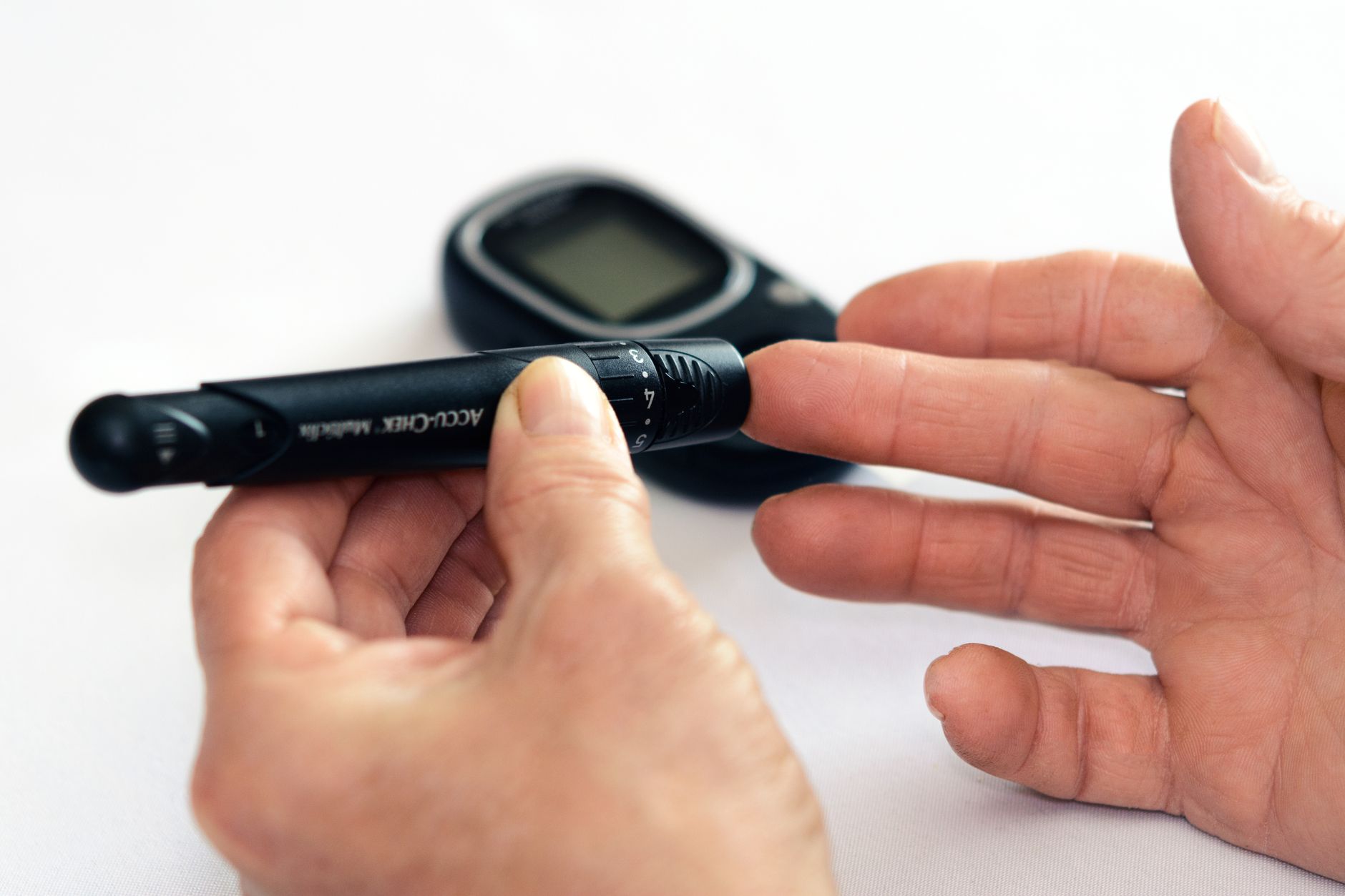
His journey with managing it has been its own ride. It started with manual injections and finger sticks, multiple times a day, every day. Eventually he got a continuous glucose monitor, or CGM, and for the first time we could actually see the numbers moving in real time instead of guessing. Then came the insulin pump, which felt like this huge relief, like finally getting some breathing room.
And then insurance happened.
We went from pump, back to manual injections and finger sticks, no sensor, because the cost stopped making sense and coverage changed. That’s the part people don’t talk about enough. Managing a chronic illness isn’t just a medical decision, it’s a financial one, made over and over again, usually by people who are already exhausted.
The Daily Math Nobody Signs Up For
Every single meal is a math problem. Count the carbs, figure out the insulin, but it’s never just the carb number. Some foods hit differently than their carb count would suggest, so there’s this constant mental adjustment happening, meal after meal, day after day, for the rest of his life. There’s no day off from this. No weekend pass.
We also live by the clock in a way we never used to. If a meal starts running a little late, there’s a small wave of panic that creeps in, because timing isn’t just “hangry,” it’s actually managing his blood sugar staying in range.
The Lows
The lows are the scariest part for me. A really bad low comes with sweating like crazy, trouble speaking, trouble moving right, complete exhaustion. His adrenaline is running in high gear, trying to keep him alive….literally. I have to wash him down while he’s struggling to even eat a snack, usually fruit snacks or a small cup of sweet tea, just to get his glucose back up. Watching someone you love go through that and not being able to fix it faster than his body will allow is one of the hardest kinds of helpless.
The sweating during a bad low is honestly on another level. He can leave an actual sweat mark on the bed in the shape of his body. That’s not an exaggeration, it’s a full sheet change situation, mattress protector and all, no matter what time of day or night it happens. This is part of why we own so many bed sheet sets, mattress protectors, and pillow protectors. It’s just become part of our normal, having backups ready to go at 3am if we need them.
And there is what we call the low hangover. It can take hours or even days to get over a low like that. He’s exhausted, brain is foggy, and he just all around feels like hell.
The Highs, and the Mood Tell
The highs show up differently, and honestly, I’ve gotten scarily good at reading them. He gets irritated, snippy, just off, and I can tell by his mood and his whole vibe before he says a word. I’ll tell him to go test (which annoys him even more), and more often than not, I’m right. It’s become this weird superpower I never wanted, being able to diagnose my husband’s blood sugar by vibes alone.
The Parts That Don’t Show Up on a Glucose Meter
What people really don’t talk about is the neuropathy. Both regular and autonomic. He deals with nerve pain that makes wearing a shirt genuinely uncomfortable some days, burning across his skin. His body struggles to regulate temperature and blood pressure the way it used to. His blood pressure can drop just by standing up. Digestive issues showed up that he never had before this. Numb feet. It’s not just about insulin and carbs, it’s a whole body condition that touches things you wouldn’t expect until you’re living it.
Why I’m Sharing This
I’m not writing this for sympathy. I’m writing it because I know there’s another spouse or partner out there right now, standing in a kitchen at 2 am pouring a sup of sweet tea, feeling like they’re the only one who gets it. You’re not. This is exhausting and scary and expensive and relentless, and also, you get really good at it, in the way you get good at anything you have no choice but to learn.
If you’re navigating this with someone you love, I see you. And if you’re the one living with LADA yourself, thank you for teaching the people around you how to help, even when it’s hard to ask.
Where to Learn More or Get Help
If any of this sounds familiar, or you’re newly navigating a LADA or type 1 diagnosis yourself, here are some places that can actually help:
- Breakthrough T1D: the leading research and advocacy organization for type 1 diabetes, with resources for adults specifically, not just kids
- American Diabetes Association: general education, community support, and advocacy around insurance and access issues
- Beyond Type 1: personal stories and practical day-to-day living resources, including content specifically about LADA and adult-onset type 1
- Your local endocrinologist or an endocrinology clinic, if you’re getting the runaround from a general practice. Getting the right diagnosis made all the difference for us, and it might for you too


 Daily Deals from a Nerd Mom
Leave a Reply