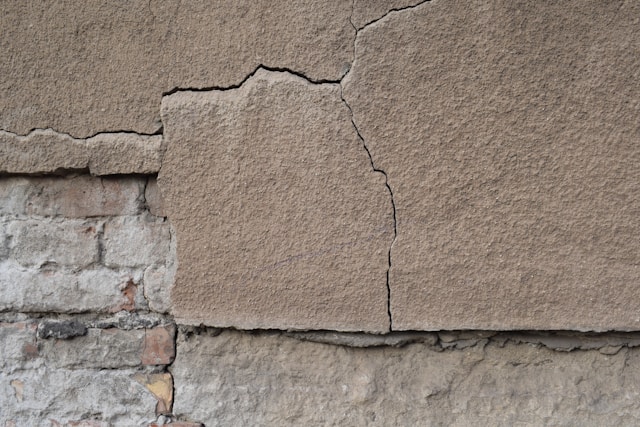
Homeownership is one of the greatest investments a person will make, so protecting its structural integrity should be very important. Unfortunately, several natural and man-made factors can compromise a home’s stability over time and lead to structural damage. Not just aesthetic concerns but serious safety hazards as well as costly repair bills can come up from this damage. Understanding common culprits of structural damage will allow homeowners to take preventive steps against further property deterioration.
Poor Drainage Systems
Water has been an obstacle for buildings. Poor drainage systems such as faulty gutters or insufficient grading around your house allow excess moisture to pool near its foundation, softening soil beneath and ultimately leading to foundation shifts, cracks, or sinkage. To combat this risk, make sure that gutters are regularly cleared, downspouts are directed away from the house, and landscaping slopes away from it.
Tree Roots Gone Rogue
Landscaped trees add charm and aesthetic appeal, but their roots can wreak havoc on the foundations, driveways, and plumbing systems. Willows or oaks with expansive root systems that extend out in search of water often push against foundations or invade underground pipes, causing headaches for homeowners and arborists. Before placing trees near your home, it is a good idea to research their root behavior as well as consider consulting an arborist so as to avoid future headaches.
Improper Construction Practices
Cutting corners during construction can result in serious structural issues down the line, from using subpar materials, failing to comply with local building codes, or failing to account for soil conditions, creating vulnerabilities within the structure itself. Even wrong placement of load-bearing walls could cause collapsed ceilings and sagging floors if done improperly. This is why hiring reliable contractors and using quality materials should always be your top priority when building.
Pests That Pack a Punch
Invasive insects such as termites, carpenter ants, and wood-boring beetles may initially appear harmless, but their insatiable appetite for wood can lead to extensive structural damage over time. Left unchecked, these pests can subvert vital wooden beams and joists, compromising the overall stability of your home. To mitigate this risk, regular pest inspections and comprehensive treatment plans are very important, especially in areas known for wood-destroying insects. Using humane wildlife removal with animal exclusion services can also help safeguard your property, ensuring pests are removed ethically while preventing future infestations.
Soil Movement and Settling
Not all soil is created equal. Expansive clay soils can swell when wet and shrink when dry, placing constant pressure on the foundations. As time passes, homes may shift or settle due to gradual soil movement, resulting in cracks on walls or uneven floors. Foundation experts can address this with solutions like underpinning or stabilization techniques.
Conclusion
Structural damage rarely happens overnight. It’s often the result of neglect, environmental factors, and human error. Understanding potential threats, like poor drainage, pest infestation, or soil movement, to your home and its long-term condition, you can take proactive measures to preserve its long-term condition and save yourself from major expenses in the future. In general, prevention costs less than repair.


 Daily Deals from a Nerd Mom
Leave a Reply